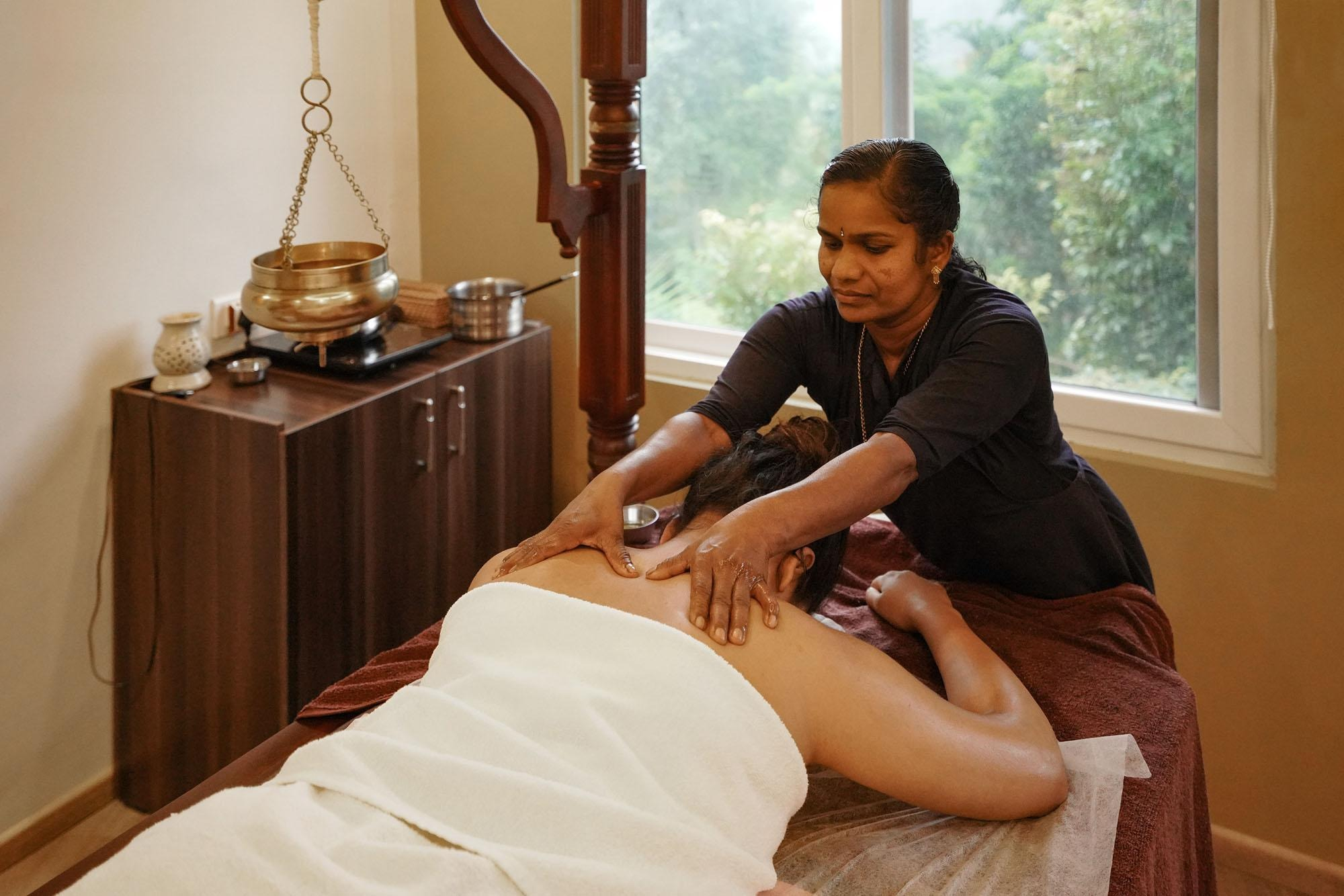
In the quiet moments before dawn, when the world is still and the mind is fresh, there exists a ritual that has been practiced for thousands of years. It is called Abhyanga—the Ayurvedic practice of self-massage with warm oil—and it is one of the most transformative daily practices you can adopt for your health and well-being.
At the heart of this practice lies the choice of oil. In Ayurveda, mustard oil is particularly revered for its ‘Ushna’ (heating) and ‘Tikshna’ (penetrating) qualities, making it especially beneficial for those with Vata and Kapha imbalances. The warming nature of the oil helps to soothe stiff joints, improve circulation, and calm the nervous system.
The Benefits of Abhyanga
Regular practice of Abhyanga with cold-pressed mustard oil offers a multitude of benefits:
- Joint Vitality: The warming properties of the oil penetrate deep into the tissues, lubricating joints and reducing stiffness.
- Improved Circulation: The rhythmic massage strokes stimulate blood flow, delivering oxygen and nutrients to cells throughout the body.
- Lymphatic Support: The gentle pressure and direction of the strokes help to move lymphatic fluid, supporting the body’s natural detoxification processes.
- Nervous System Calming: The combination of warmth, touch, and the aromatic properties of the oil help to soothe the nervous system, reducing stress and promoting relaxation.
- Skin Nourishment: Rich in Vitamin E and essential fatty acids, mustard oil deeply moisturizes and nourishes the skin.
How to Practice Abhyanga
Preparing the Oil
To practice Abhyanga, begin by warming a small amount of cold-pressed mustard oil. You can do this by placing the oil in a small bowl and setting it in a basin of warm water, or by gently heating it on the stove until it is comfortably warm to the touch—never hot enough to burn.
The Massage
Begin by applying the oil to the crown of your head, massaging it gently into the scalp. Then, work your way down the body, applying the oil in long, sweeping strokes along the limbs and circular motions over the joints. Pay particular attention to the joints—shoulders, elbows, wrists, knees, and ankles—where stagnation can accumulate.
- Head: Apply oil to the scalp and massage in gentle circular motions.
- Limbs: Use long, sweeping strokes from the joints outward.
- Joints: Use circular motions to lubricate the joints.
- Chest and Abdomen: Use gentle, clockwise circular motions to support digestion.
The Rest
After the massage, allow the oil to absorb for 10-15 minutes. This allows the warm oil to penetrate the tissues and the benefits to fully integrate. Then, enjoy a warm bath or shower—avoid using soap on the areas where the oil has been applied, as this will strip the skin of the beneficial oils.
Integrating Abhyanga into Your Routine
While Abhyanga is traditionally practiced daily, even a few times a week can yield significant benefits. The practice is especially beneficial during the winter months, when Vata is naturally aggravated, or during times of stress and transition.
At Swadharaa, we believe that the path to wellness begins with small, intentional choices. The daily ritual of Abhyanga with cold-pressed mustard oil is one such choice—a simple yet profound practice that connects you to your body, your breath, and the ancient wisdom of Ayurveda.



Leave a Reply